Adapt to the body.
Different patterns of grip, reach, and sensation require a system that can be calibrated rather than one fixed interaction.
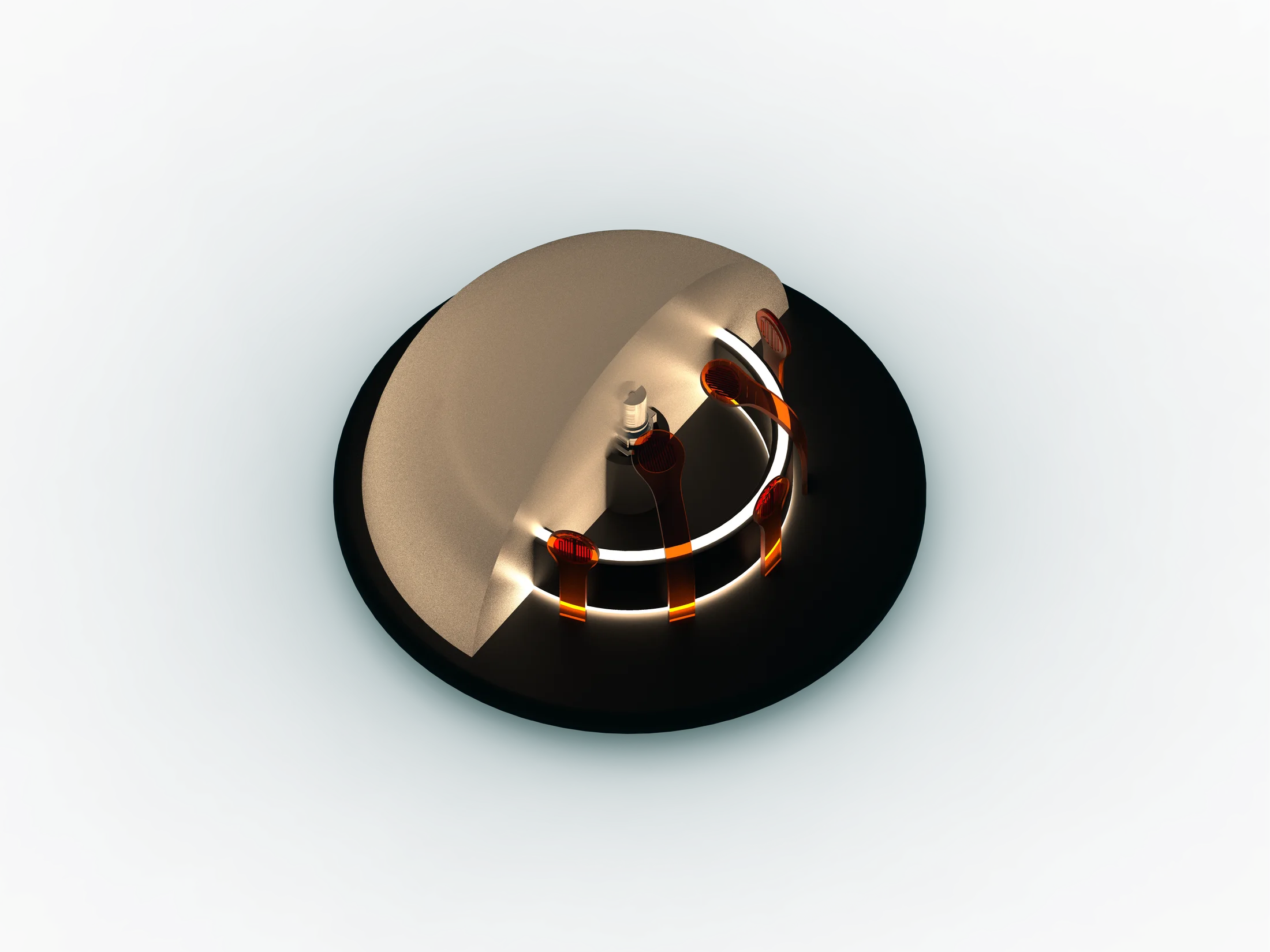
Personal project · 2 months · Wearable device & UX
Existing sexual-wellness products often depend on grip, reach, positioning, and sensation in ways that exclude people with paraplegia. This project asked how one adaptable system could support intimacy, pleasure, independence, and privacy together.
How might we create accessible and user-friendly sexual-wellness products for people with paraplegia, enabling intimacy and pleasure?
Surveys and one-to-one online interviews with 32 target users shifted the project from a single product toward an adaptive, multisensory experience. Sensitive participant details remain anonymized here.
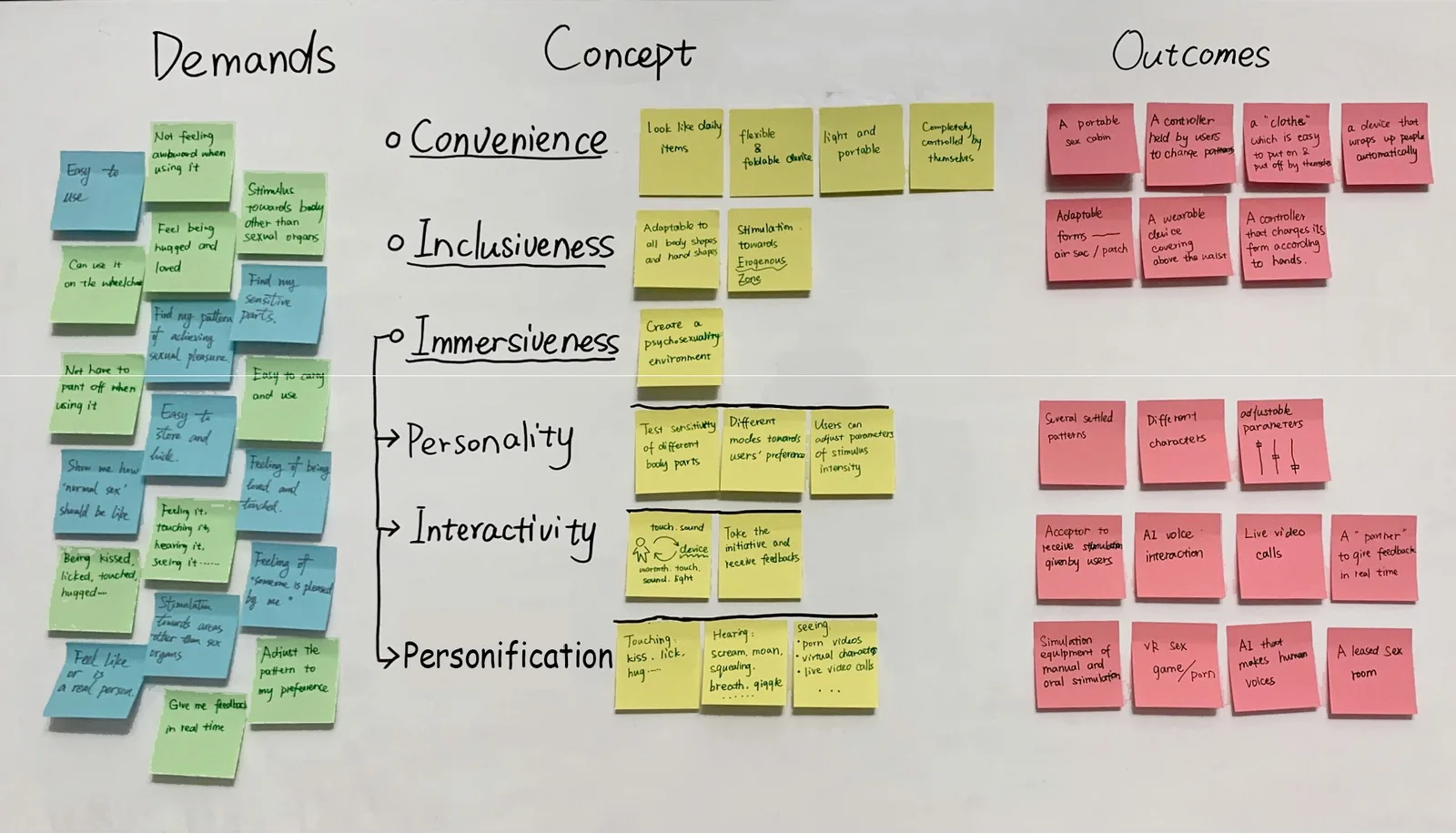
Different patterns of grip, reach, and sensation require a system that can be calibrated rather than one fixed interaction.
Participants wanted an experience that felt responsive and personified, with more range than a single, isolated stimulus.
Fetching, positioning, wearing, and adjusting the product all needed to work with less reliance on another person.
02 · Co-design & concept decision
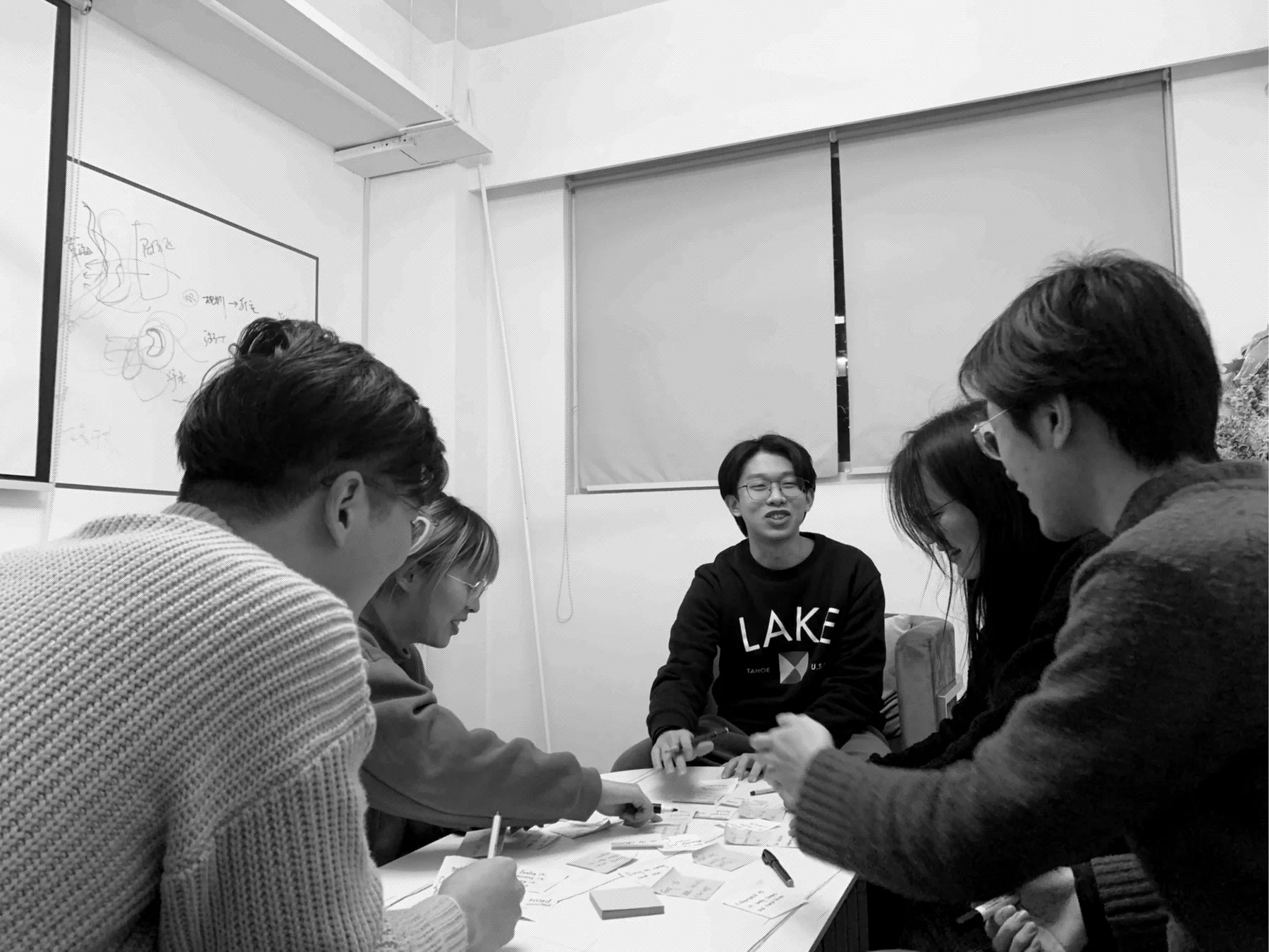
I invited interviewees into brainstorms and focus groups, then compared directions including a portable cabin, haptic glove, touching suit, and interactive controller. The final direction combined the strongest qualities rather than asking one object to solve every need.
The experience begins with hand input, passes through calibration and adjustment, then returns as body feedback. Each component answers a different barrier revealed in research.
Reads pressure and hand motion while returning light and vibration feedback.
Calibrates grip and gives one-finger access to preferences and adjustments.
Fits tactile feedback across different body surfaces in a private wearable form.
04A · Adaptive Controller
A soft, textured sphere is designed around different hand shapes. Pressure sensing reads grip; vibration and breathing light return feedback. A 3D-printed ABS base allows the controller to mount to a wheelchair or another support.
04B · Touching Suit
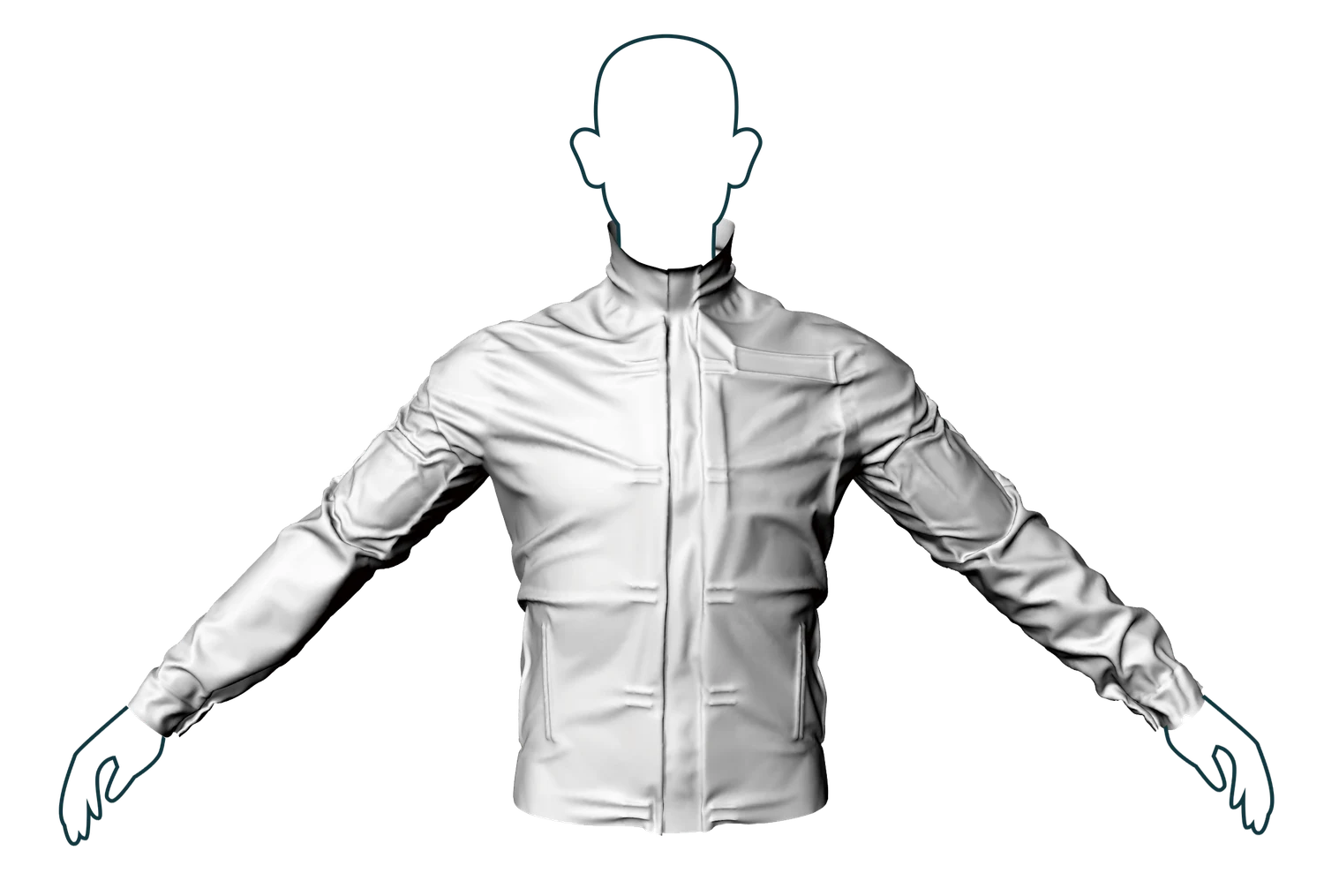
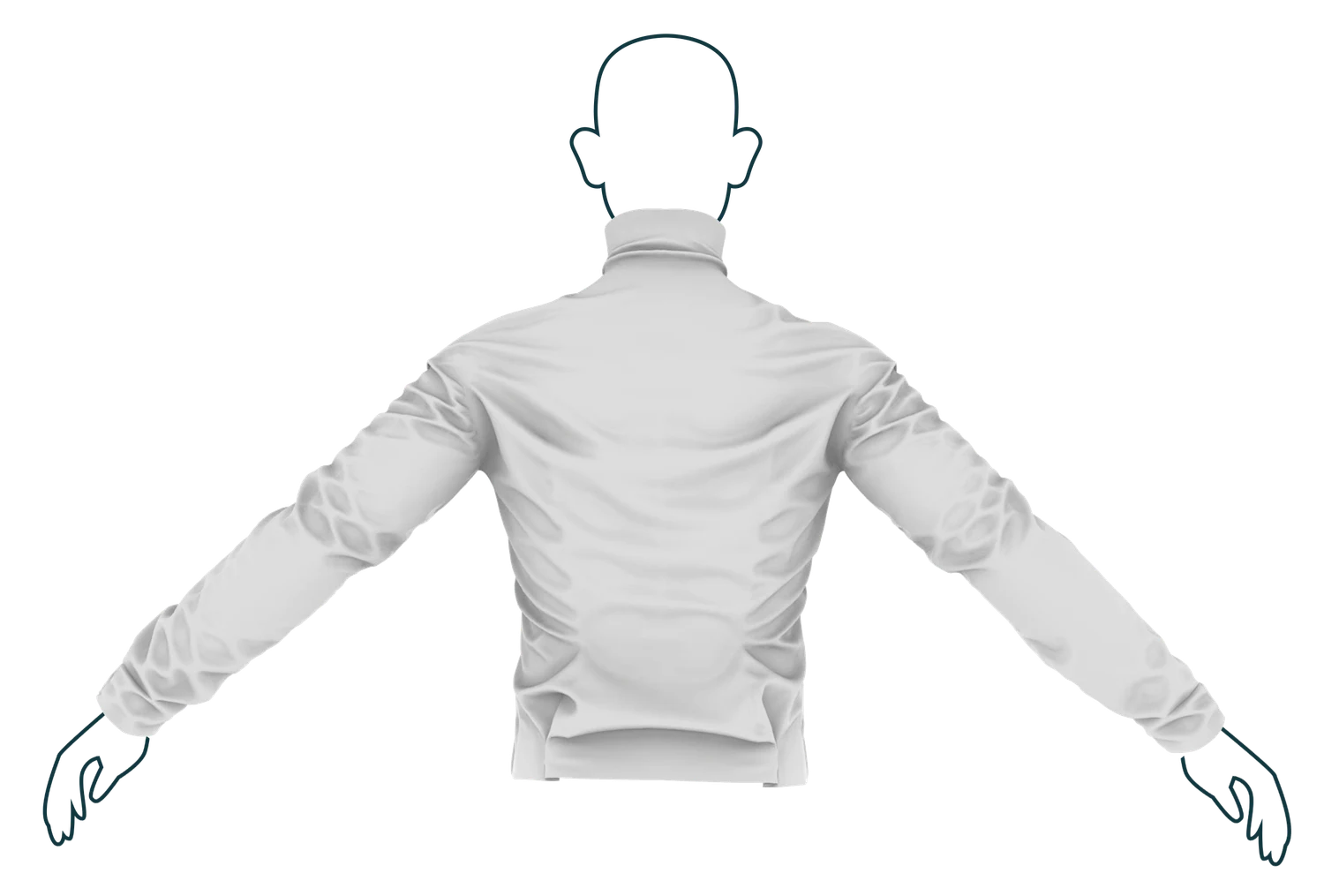
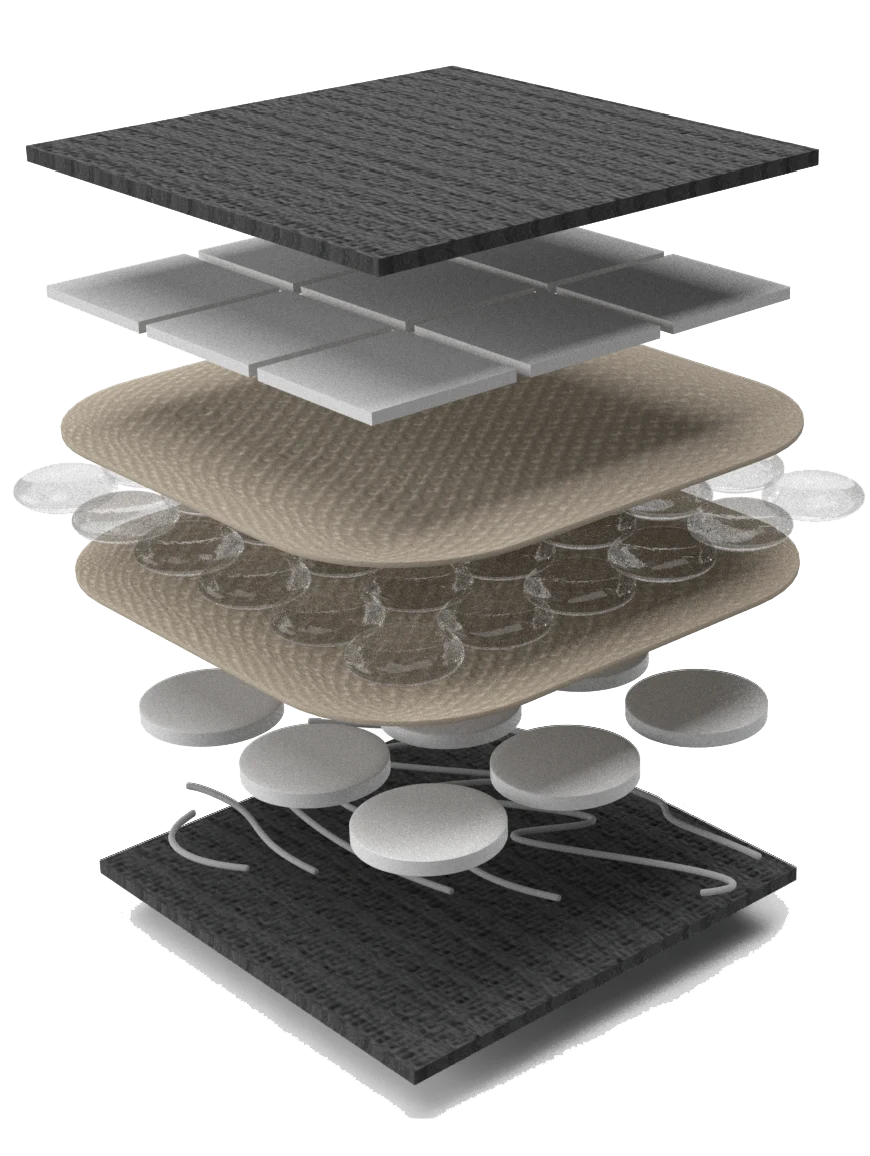
The one-piece outerwear is intended to be worn independently. Inflatable zones help tactile actuators conform to different body surfaces; a layered construction keeps the interaction logic visible and adjustable.
04C · Accessex App
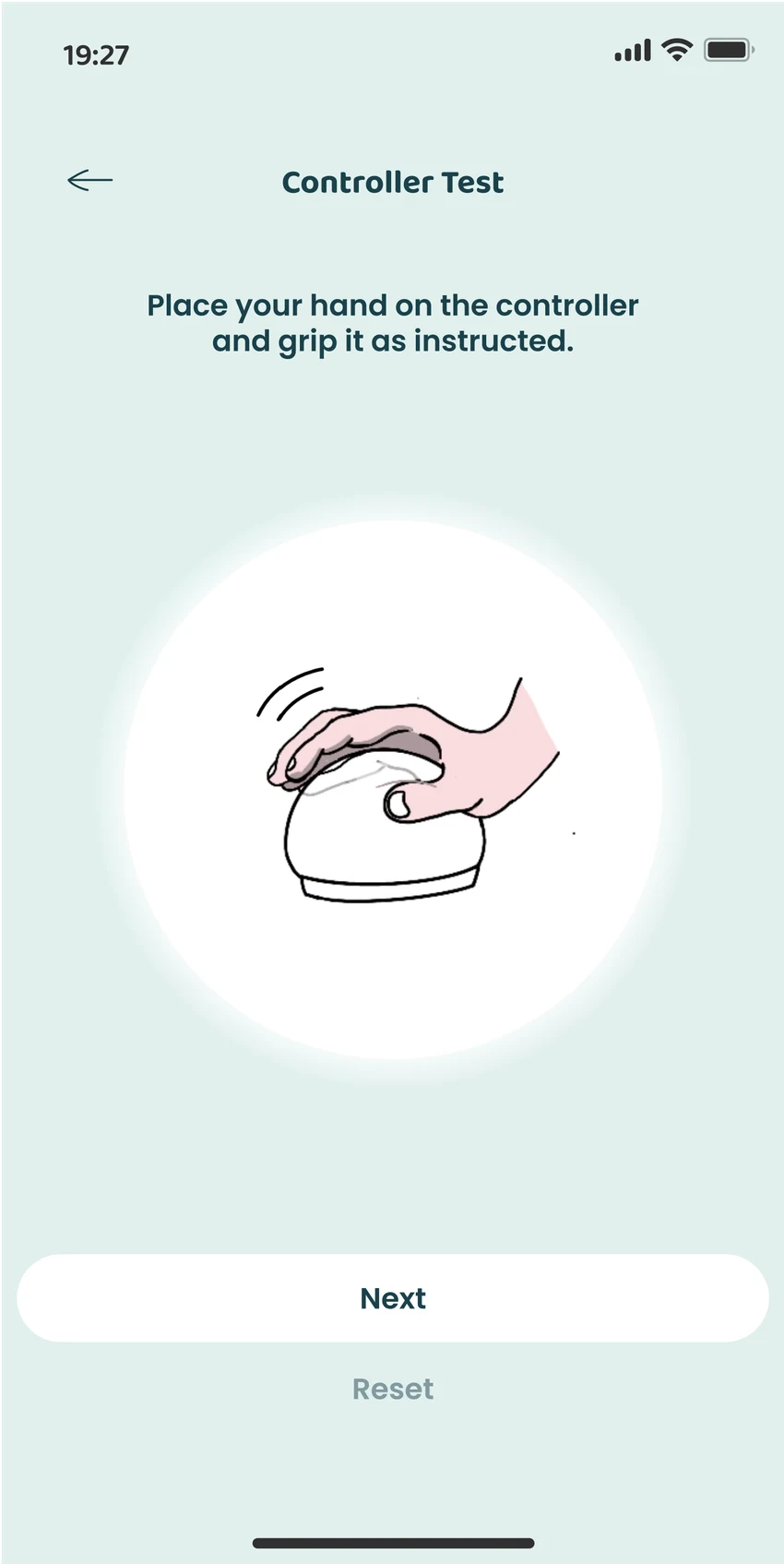
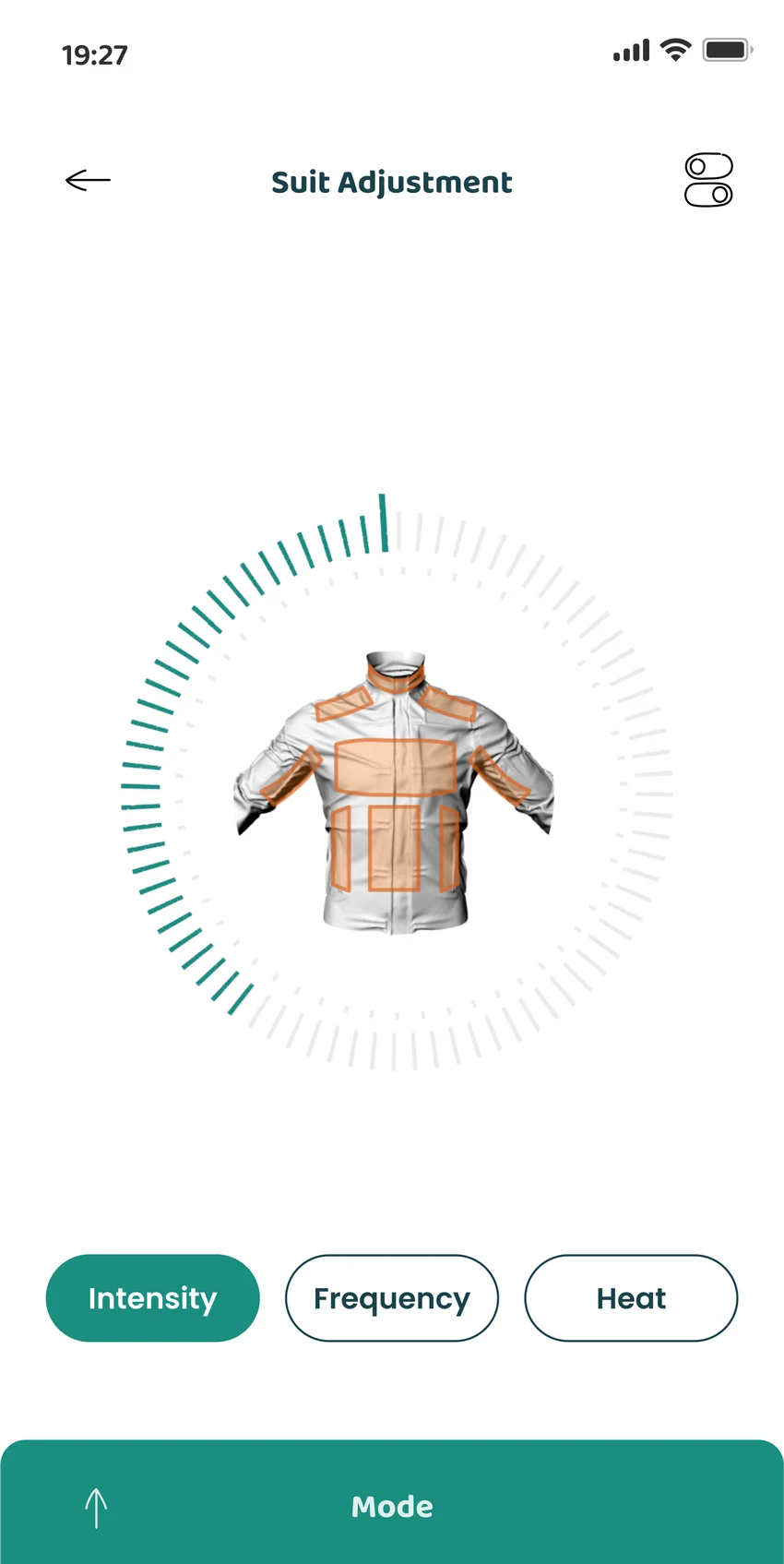
The app turns accessibility into part of the core flow. Controller Test establishes a usable grip range, Adjustments keeps intensity, frequency, and heat within one-finger reach, and Mode Selection stores interaction preferences.
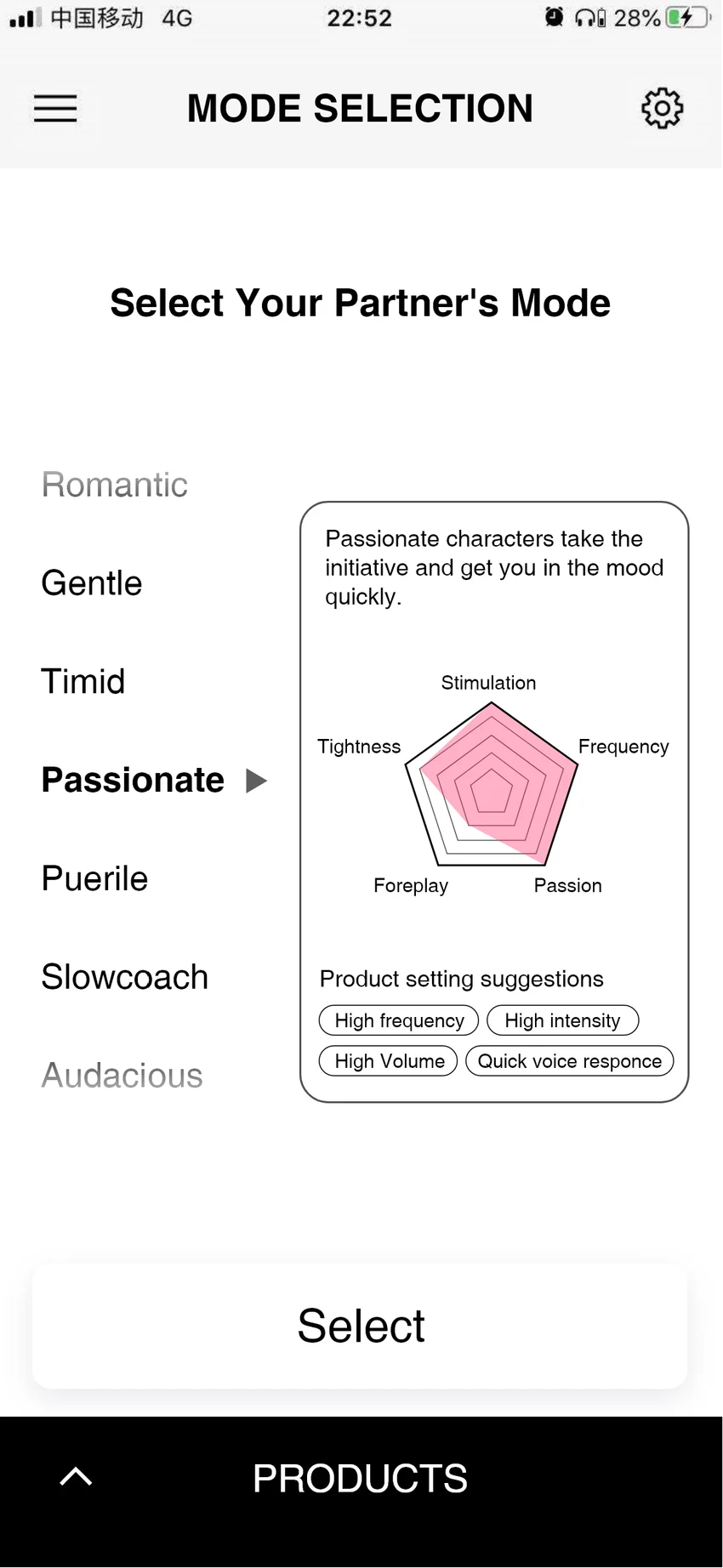
I learned Arduino to build an interactive demo and tested how pressure, vibration, light, sound, and calibration could work across four moments of the experience.
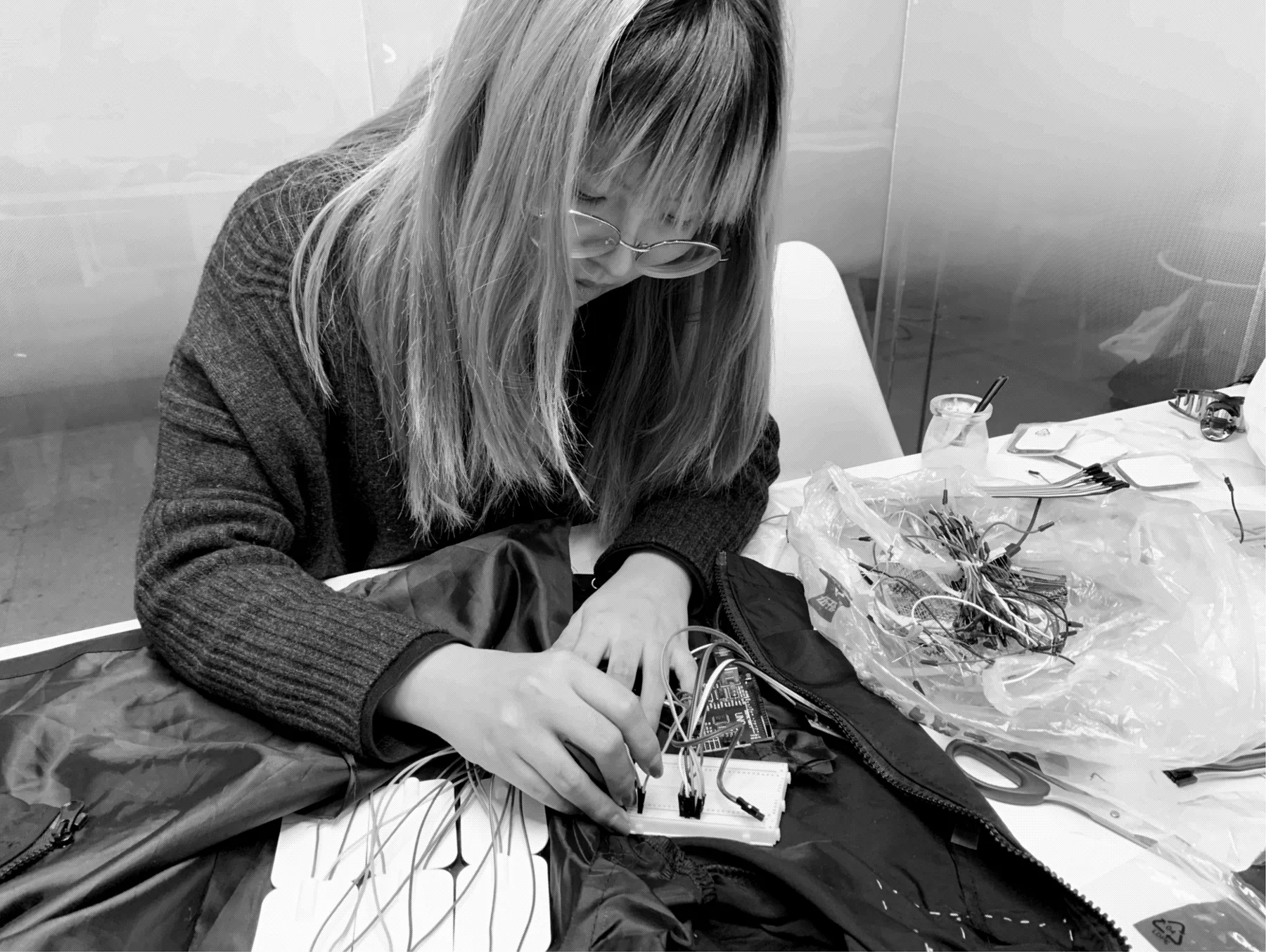
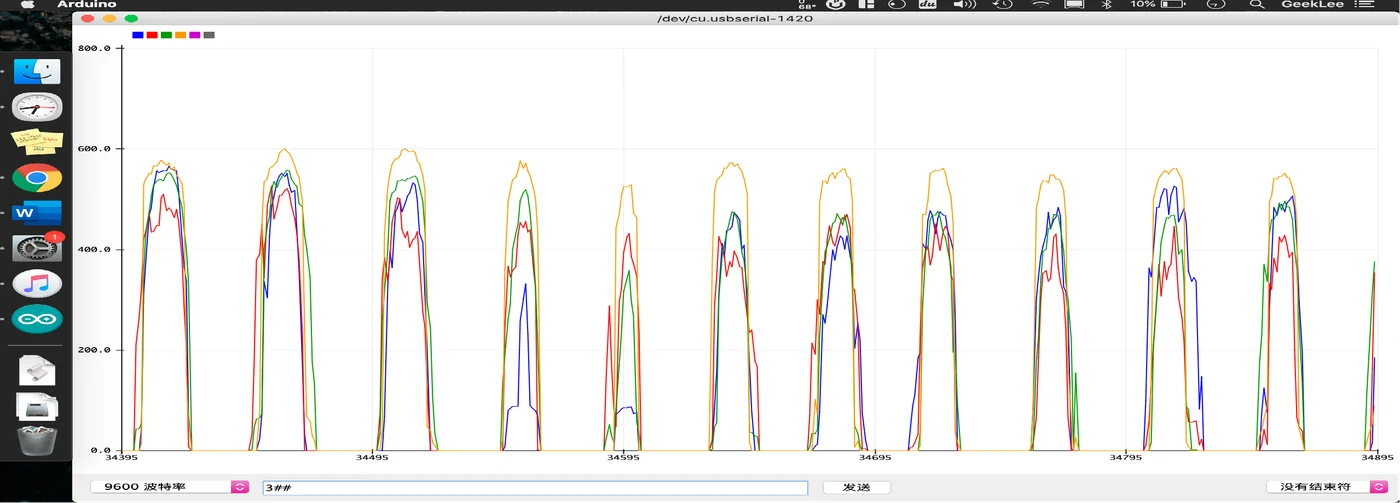
Two earlier interview participants reviewed the final prototype for feasibility and fit. Their feedback did not become a success metric; it became the next design brief.
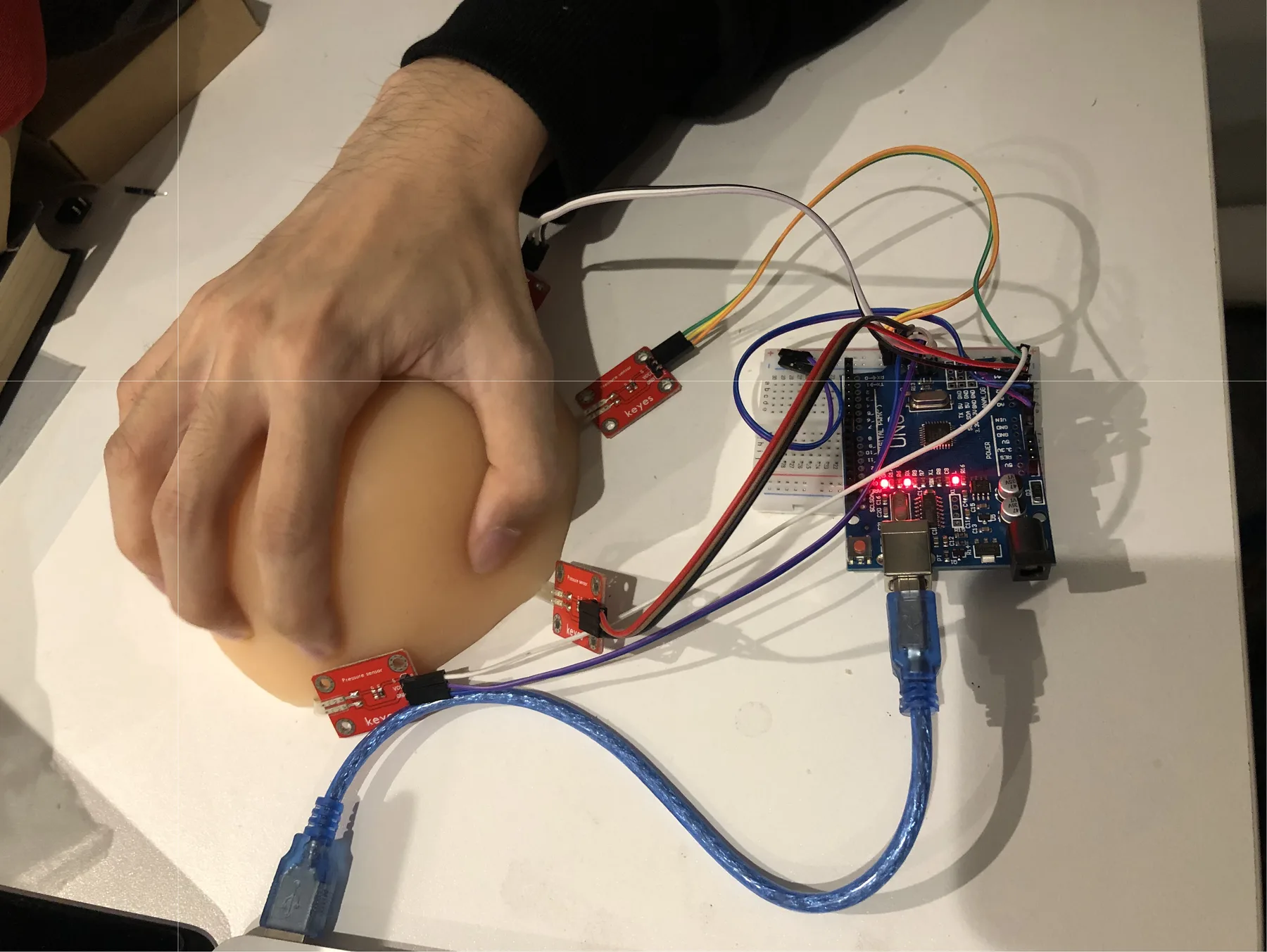
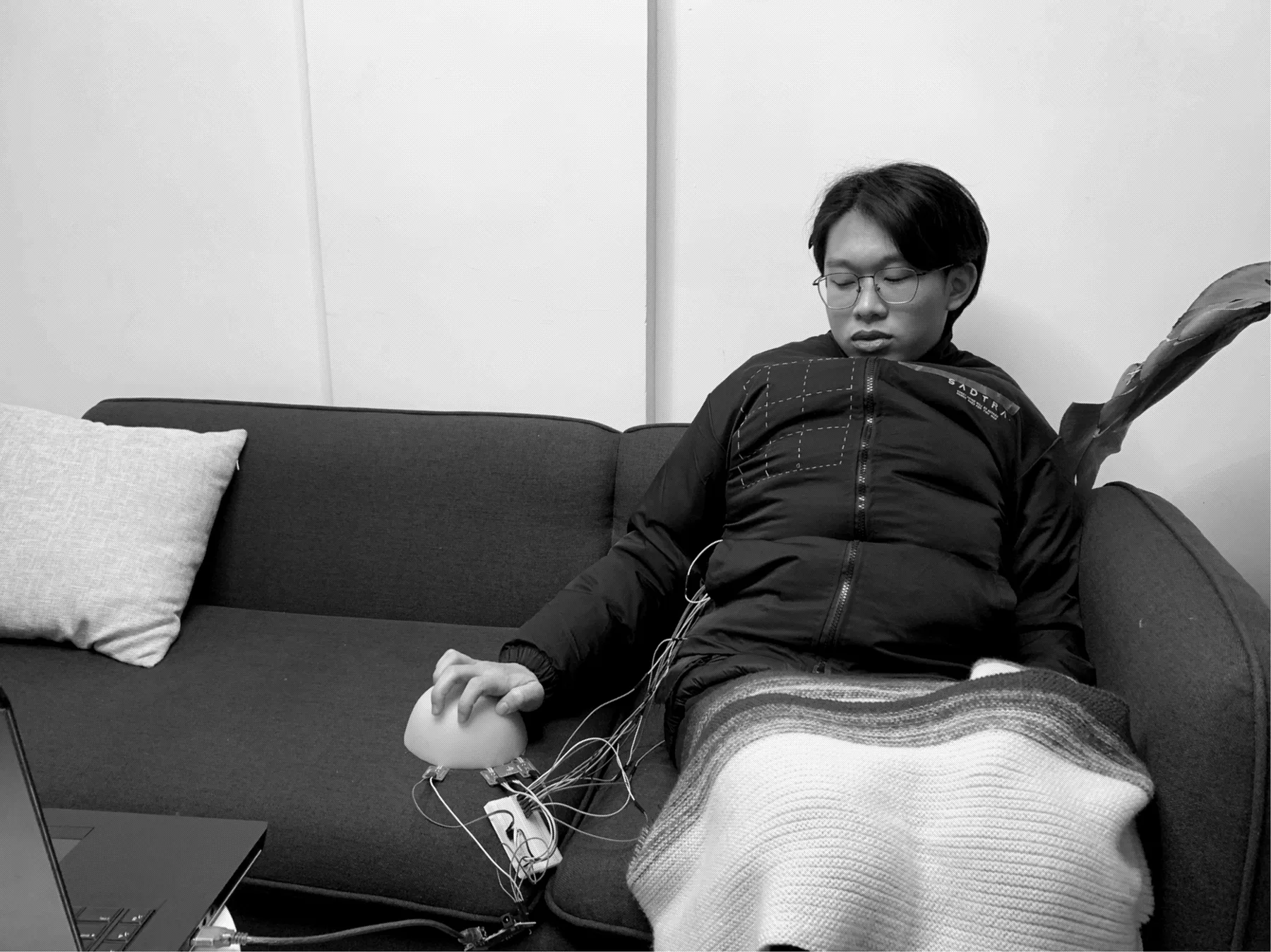
Increase sensor sensitivity and deepen pressure-sensing exploration.
Develop a softer form and material system around a wider range of hand abilities.
Give the wearer direct control over inflation and fit.
The project produced a connected wearable-and-app concept, 3D models, an Arduino interaction demo, and early usability evidence. It was not a launched or clinically validated product.
I learned how to build trust around a sensitive subject and carry research across physical product, interface, interaction, and system design.
Co-design made the work more accountable: participants shaped the problem, the concept decision, and the criteria used to judge the prototype.
Extend usability testing with a wider group, improve softness and sensor sensitivity, give wearers control over air pressure, and study wearability and cost.